Smile Global Cyber Watch | Hoag Hospital Data Security Incident discovered October 8, 2026 | Patient notice dated November 4, 2026
Understanding the implications of Hoag Hospital Data security is crucial for maintaining trust in healthcare systems.
Patients expect that their Hoag Hospital Data is kept confidential and secure, which is why security incidents can be alarming.
You go to the doctor because you want help, not a new worry about your private records. Yet a hospital holds more than test results. It keeps names, contact details, and other personal facts. When a hospital reports a data security issue, patients want clear answers. Business owners should pay attention, too.
Hoag Hospital Data incidents serve as a reminder for the importance of data protection measures in the healthcare sector.
By understanding Hoag Hospital Data security, both patients and businesses can better protect sensitive information.
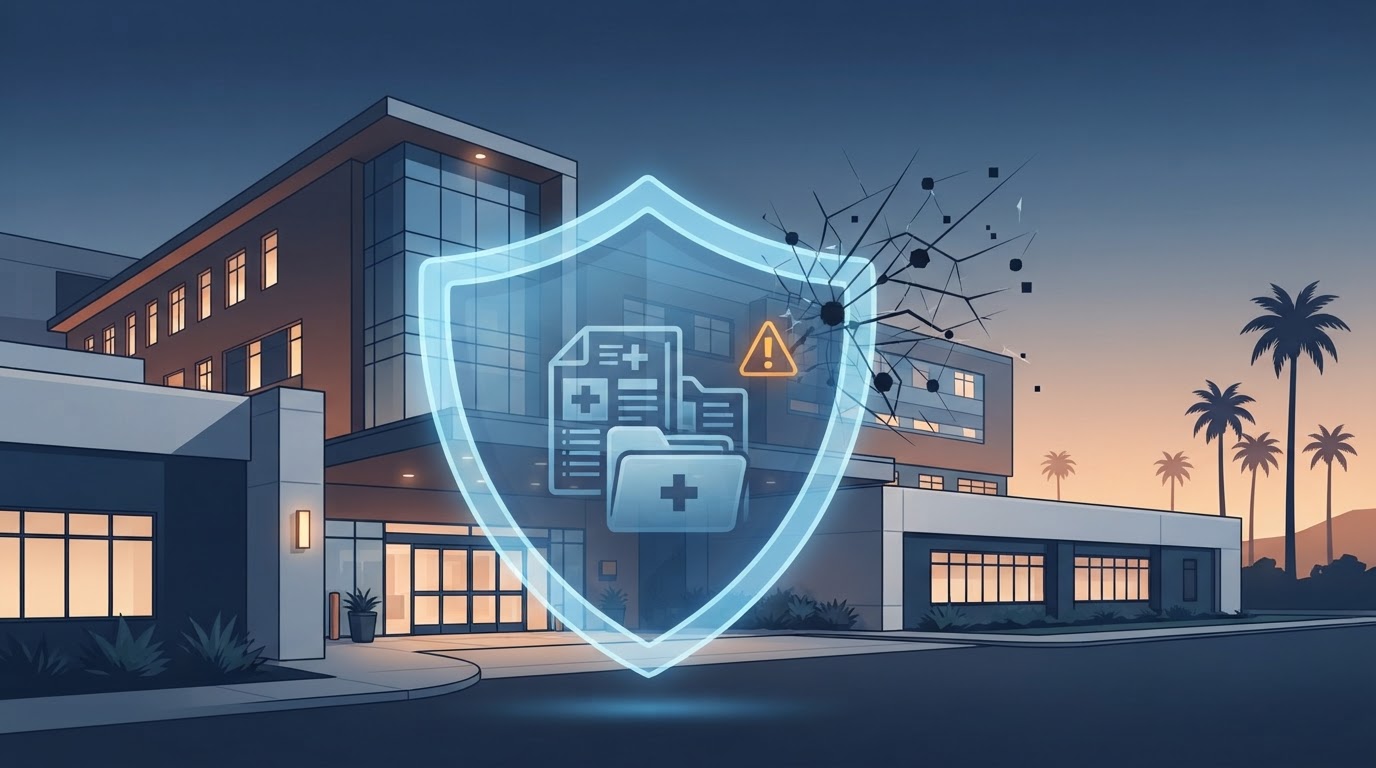
Hoag Memorial Hospital Presbyterian in Newport Beach, California, detected suspicious network activity in October 2026. Its November 4 notice explained that some patient information related to Hoag Hospital Data might have been involved. The story is a reminder that keeping information safe is part of taking care of people.
Awareness of Hoag Hospital Data protocols can empower patients to take proactive steps in safeguarding their information.
Patients are encouraged to inquire about how their Hoag Hospital Data is being protected, especially following incidents.
The investigation into the Hoag Hospital Data incident highlights the need for constant vigilance in data security.
Here is what Hoag said, what it did not say, and what you can do. We will also look at steps a small business can take before trouble starts.
Understanding the timeline of Hoag Hospital Data security measures is critical for assessing the impact on patients.
As the situation evolves, updates on Hoag Hospital Data will be essential for affected individuals.
Understanding Hoag Hospital Data security measures is essential for patients and businesses alike to ensure their information remains protected.
Table of Contents
What happened at Hoag Hospital?
Understanding Hoag Hospital Data and Its Importance
October 8: Hoag said it found suspicious activity on its computer network. This is the day the hospital noticed the problem. The notice does not say the activity started that day or how someone got in.
Hoag began an investigation and brought in outside experts. It found that some files may have been accessed without permission. Another team then reviewed those files to see what they held.
Consequently, the implications of Hoag Hospital Data breaches extend beyond just the hospital to the community at large.
Understanding risks related to Hoag Hospital Data is crucial for all patients to prevent identity theft.
October 25: The file review found that some personal or protected health information might have been involved. This was an important new finding, but it did not prove every patient file was taken.
Educating oneself about Hoag Hospital Data security can mitigate future risks of cybercrime.
November 4: The hospital's sample notice was filed with the California Attorney General. It described the event and offered steps for people who might be affected. News outlets reported on the notice later that week.
The dates matter. Finding a problem is not the same as knowing who was affected. A team may need time to stop a threat, review the facts, and find the right people to warn.
Was patient information stolen?
The public notice did not say that every patient's files were stolen. It said some files may have been seen without permission. Those files may have held names and other personal or health information.
The sample letter has blank spaces for the data types in each person's notice. That means we should not guess what was involved for everyone. The California filing does not give a total number of people affected.
Hoag did not name an attacker or say whether ransomware was involved. It did not state that patient appointments stopped due to this issue. These details are still unknown from the public sources reviewed.
At Smile Global, we believe readers deserve facts, not scary guesses. Knowing what is still unknown helps you make smart choices.
Why should anyone care about medical records?
Being informed about Hoag Hospital Data can empower you to respond effectively in case of a breach.
Many people think cybercrime is only about stolen money. But health details can be very private. You may not want strangers to know about a test, treatment, or family member's care.
Personal details can also help scammers write a message that looks real. A fake bill might name a clinic you know. A strange caller might claim that you need to check your account after a data incident.
There is no proof in the public Hoag notice that this event led to such scams. This is a general risk we should understand when private records might have been exposed. Always check who is asking before sharing information.
What should you do if you get a notice?
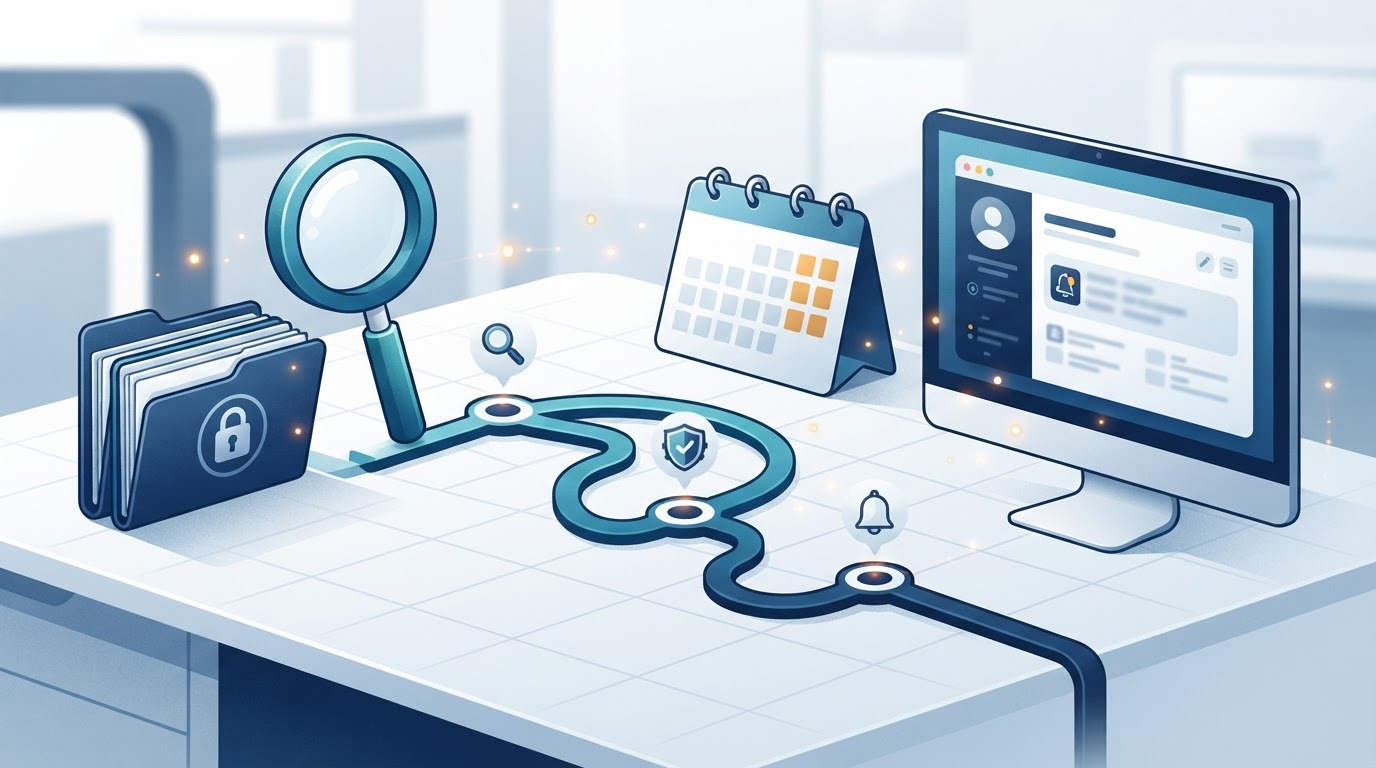
Start by reading it. Check the hospital name, the date, and the kind of data that might be involved. If you have questions, contact the hospital using a number from its official website or a number you already know.
Look at the help offered. Hoag's sample letter offers free identity protection through IDX to eligible recipients. It lists February 4, 2027 as the deadline to enroll. Use your own notice for the correct steps, and verify the offer with the hospital if you are unsure.
Watch for odd activity. Check bills, bank alerts, and account notices. Be careful with a call about a medical payment, refund, or insurance issue that you were not expecting. Hang up and call the company yourself.
Keep your logins safe. Use a different password for each important account. Turn on two-step sign-in when you can. Do not share a sign-in code with someone who calls or texts you.
Know where to get help. The Federal Trade Commission has free guidance at IdentityTheft.gov. You can check credit reports through AnnualCreditReport.com. You may also want to learn about placing a free credit freeze if you suspect identity theft.
A notice is a reason to take care, not proof that someone has used your information. Keep a copy of your letter in case you need it later.
Ultimately, the lessons learned from the Hoag Hospital Data incident are vital for small businesses too.
What can small business owners learn?
Think about a dental office, school, store, or small law firm. Your team may keep customer names, payment details, staff records, and private messages. People trust you to protect that information.
Continued vigilance about Hoag Hospital Data can ensure the safety of personal medical information.
First, know where your files live. Are they on one PC, in a shared folder, or in the cloud? Who can open them? When someone leaves the company, do you remove access right away?
Next, keep devices and software updated. Use strong passwords and two-step sign-in. Let staff open only the records they need for work. These steps can limit the harm if someone gets into one account.
Keep good backups and test that you can restore a file your team uses. Backups can help you get back to work after a failure or attack. But a backup does not stop someone from copying private data. You need more than one layer of safety.
Watch for threats even when the office seems fine. A team that monitors security alerts can spot odd behavior sooner. Staff training matters, too. Even good workers can be fooled by a fake email when they are busy.
Build a simple response plan
The Hoag timeline shows why an investigation takes time. A team finds a warning sign, protects the network, reviews records, and decides who needs to know.
Your business should know how to handle those steps, too. Who calls the IT provider? Who talks to customers? How would staff keep working if email or a shared drive stopped? Where are your backups?
Write down key phone numbers and who is in charge. Review the plan with staff. Practice a simple problem, such as losing access to files for one morning.
Healthcare offices should also review the privacy rules that apply to them. Security tools help, but no single product can promise full compliance or perfect safety.
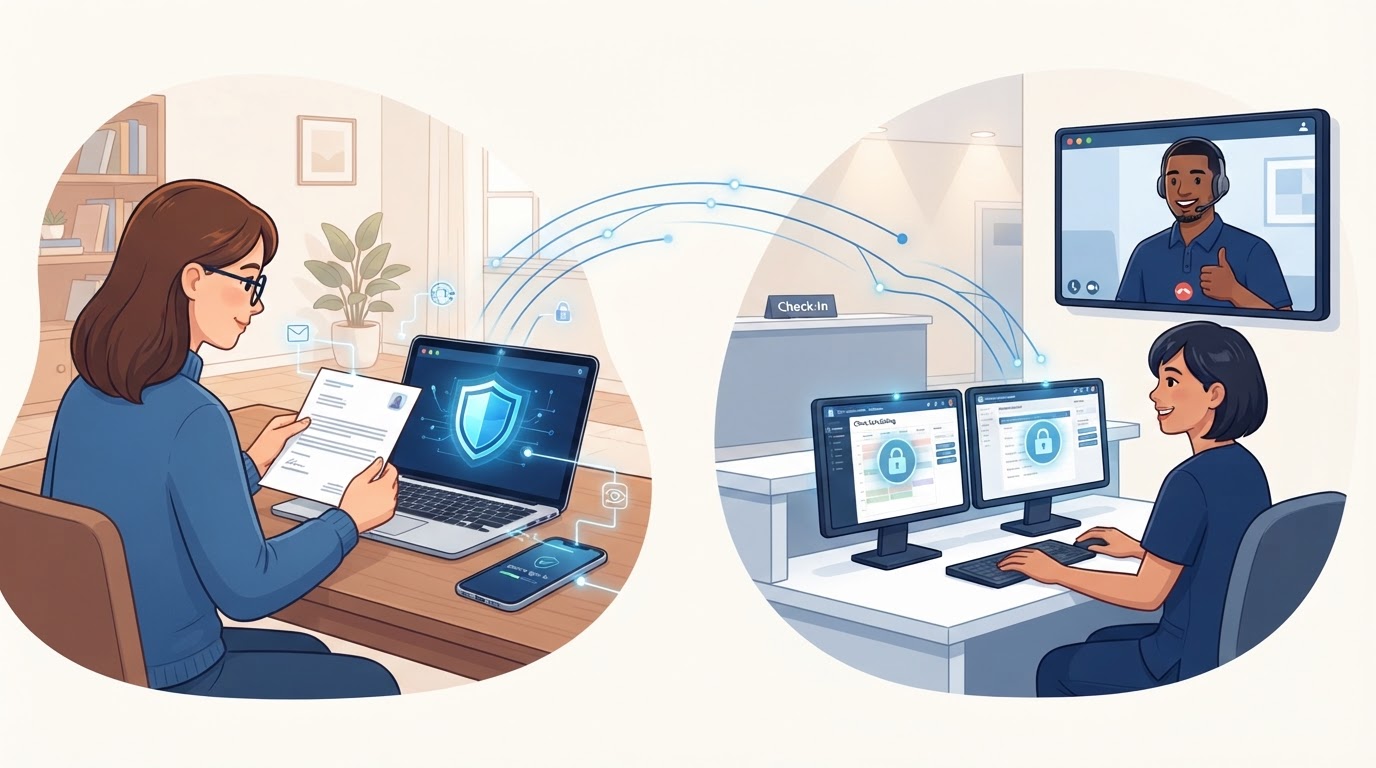
The lesson for all of us
A trusted hospital can face a data security problem. So can a small office. The best response is not panic. It is knowing your risks, asking good questions, and having a plan before you need one.
At Smile Global, we help Ventura County businesses protect devices, email, and important records. Learn about our cybersecurity services, or contact our team for help reviewing your security. IT problems, call Smile before you lose yours.
Frequently asked questions
Does the notice mean all Hoag patients were affected?
No. The notice does not say every patient was affected or give a total. Follow the instructions in a verified notice sent to you.
How do I know if a message about the incident is real?
Use Hoag’s official website or a phone number you already trust to check. Don’t share personal details through an unexpected email, text, or call.
Sources and what remains unknown
This report is based on California's official notice listing, Hoag's November 4 sample notice, and Becker's Hospital Review reporting from November 6, 2026.
The notice does not establish how many people were affected, a named attacker, or the exact way the activity began.