FIFA is known around the world for soccer. Like many large organizations, it also has people who manage records, communicate with partners and handle business information behind the scenes. Those everyday records matter when a company reports a cyberattack.
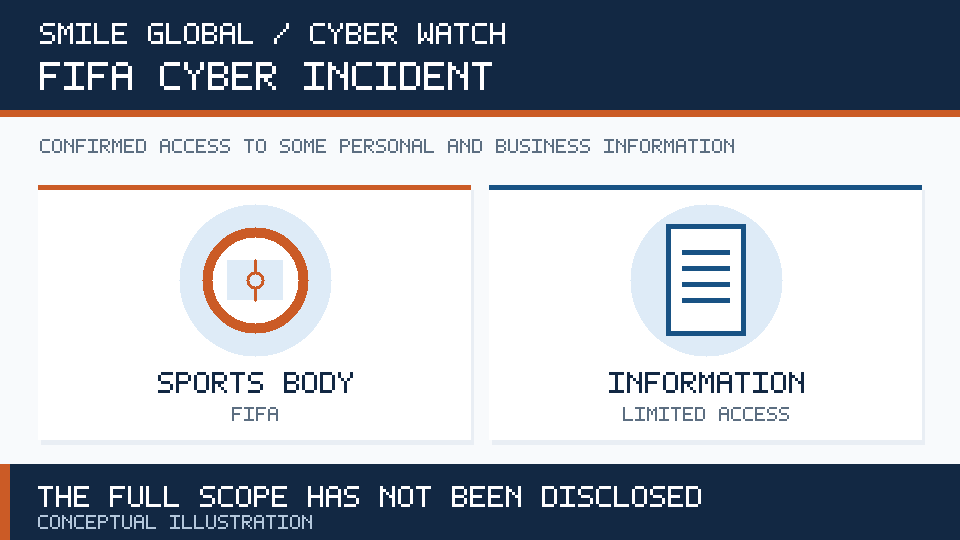
On November 26, 2026, reports confirmed that FIFA had experienced unauthorized access to some personal and business information. The incident is a useful reminder for businesses of all sizes. You do not have to run a worldwide sports organization to need a good plan for protecting your records.
In this article
- What has FIFA confirmed about the cyberattack?
- Why do ordinary business records need protection?
- How can a small business control access to its files?
- What should a business do when it learns of a data incident?
- Build a practical plan before a breach occurs
- Frequently asked questions
- Take the next step
What has FIFA confirmed about the cyberattack?
FIFA confirmed the incident in statements provided to news organizations. Reuters reported the organization's confirmation on November 26. FIFA said that someone gained unauthorized access to a limited amount of personal and business information.
In separate coverage, the Associated Press reported that FIFA was cooperating with the authorities. The statements reviewed did not identify the date of the intrusion, the affected people or the complete list of records involved.
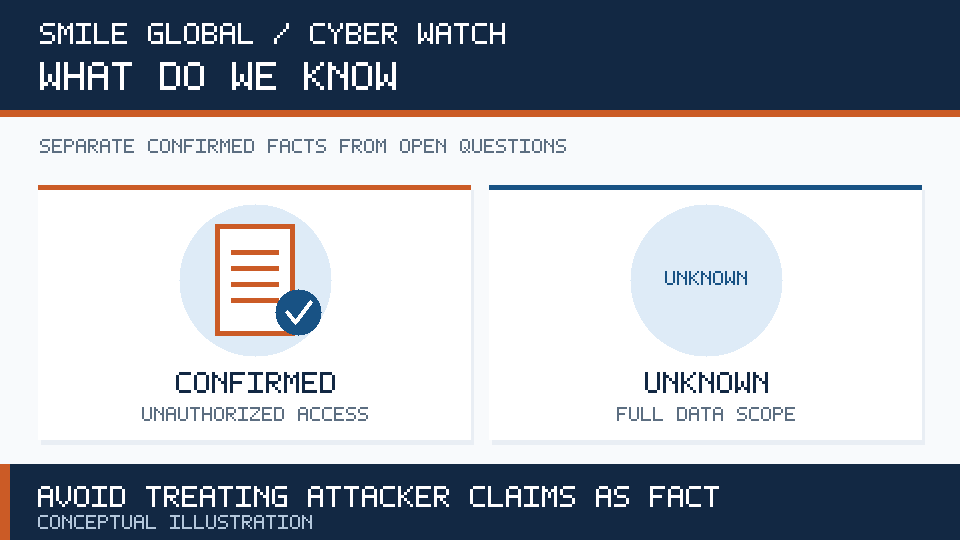
There have been claims about the incident from a group online. Claims about the amount of information or the types of files involved should not be treated as confirmed facts without reliable evidence. FIFA's confirmation establishes that the incident occurred; it does not settle every question about the extent of the damage.
Why do ordinary business records need protection?
Most companies keep information that helps them serve customers and pay employees. A small construction business may keep agreements, estimates and contact lists. A medical office may handle records about its patients. A local nonprofit might manage donor information, schedules and volunteer contact details.
People often think only about passwords or credit card numbers when they hear the term data breach. But other records can matter too. A person's name and contact information may help a criminal write a convincing fake message. A contract could reveal private business terms. A schedule might help a scammer pretend to know where someone is supposed to be.
These are examples of why information deserves care, not descriptions of the specific documents accessed at FIFA. The details of this incident are still limited.
The first step is to understand which information your business has. Ask each department what records it needs, where those records are stored and who can see them. If the answers are unclear, it may be difficult to determine the impact of an incident later.
How can a small business control access to its files?
Think about a shared filing cabinet in an office. It would be convenient to give everyone a key, but not everyone needs to read every file. A shared computer folder can have the same problem. If everyone receives access to all the records, one stolen account may give an intruder much more information than necessary.
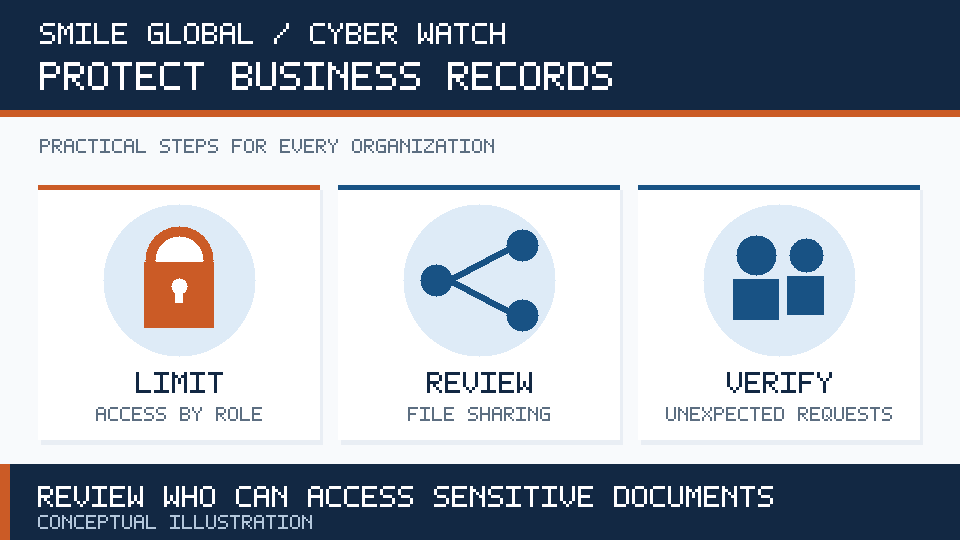
Set up access based on the work people need to do. For example, the accounts payable team may need invoices, but a temporary worker may only need the files for a particular assignment. Your IT provider can help assign access to groups rather than managing every file separately.
Pay attention when people change jobs, leave the company or finish a project. Access that was appropriate a year ago may no longer be needed today. A regular review helps prevent old permissions from accumulating. Ask the people who own the information to confirm who should still have access.
For cloud services, review shared links as well as user accounts. Some links can be forwarded to people outside the company. Others may remain available after a project ends. Use the sharing options that match the sensitivity of the information and close access when it is no longer needed.
What should a business do when it learns of a data incident?
Begin by protecting the affected systems and involving your IT or security team. Do not delete records simply to try to make the problem go away. Investigators may need logs and other information to understand what happened. Follow your organization's incident response plan and ask for professional help if the scope is not clear.
Next, identify the information that could have been affected. Separate confirmed facts from questions that are still being investigated. Keep a timeline of what was discovered, what actions were taken and which services are operating. That record helps the business respond consistently and avoid confusing different events.
If your business needs to communicate with customers or employees, use clear language. Tell people what is known, what remains uncertain, and where they can find future updates. Do not promise that information is safe unless your investigation supports that statement. Depending on the information and your location, legal and privacy requirements may apply, so consult the appropriate professionals.
An incident may also increase the risk of follow-up scams. Remind staff to verify unexpected messages about account recovery, invoices or document requests through known contact channels. The Cyber Watch article about voice phishing offers a practical example of this approach.
Build a practical plan before a breach occurs
Pick one department and review its most important records. Find out where copies are kept, how people share them and what happens when a person leaves. Ask whether old records can be removed under the organization's approved retention policy. Keeping information that you no longer need can make future problems harder to manage.
Work with IT to protect business accounts, keep devices updated and monitor important services for unusual activity. Keep backups that are protected and tested. Backups help recover lost information, but they do not reverse the exposure of information that has already been copied. That is why limiting access and detecting suspicious activity are important too.
Every few months, practice a simple scenario with your staff. Who should they contact if they believe a shared folder has been accessed by someone who should not have access? Who decides whether a customer must be notified? A written plan can make those first steps much clearer.
Frequently asked questions
Did FIFA confirm a cyberattack?
Yes. FIFA confirmed unauthorized access to some personal and business information in statements reported by Reuters and AP.
How many people were affected?
The public statements reviewed did not give a confirmed number of affected people. Do not assume that online claims establish the full scope.
Does a backup protect information from being stolen?
A backup helps recover data. It does not prevent unauthorized access or undo a disclosure. Access controls and monitoring serve different purposes.
How can I help protect shared business files?
Review who has access, remove unnecessary permissions, manage shared links and teach staff to verify unexpected requests for sensitive documents.
Take the next step
The FIFA cyberattack is a reminder that business information has value even when it does not include payment card numbers. Start by understanding the records you keep and making sure only the right people can access them. Have questions about protecting your business? Smile Global is happy to help and offers a free cybersecurity assessment to local businesses in Ventura County and surrounding communities.